
If you’ve ever wondered, “does hotspot cost money?”, you’re not alone—and the answer isn’t always straightforward. While using your phone as a mobile hotspot is one of the most convenient ways to stay connected on the go, it’s rarely free. But what many people miss is that the real cost of a hotspot isn’t just in dollars. It’s in speed, limits, and freedom.
In this guide, we’ll break down the truth about mobile hotspots: what they cost, what your carrier isn’t telling you, and why smarter alternatives like using an eSIM can save you money and give you more control.

What Is a Mobile Hotspot?
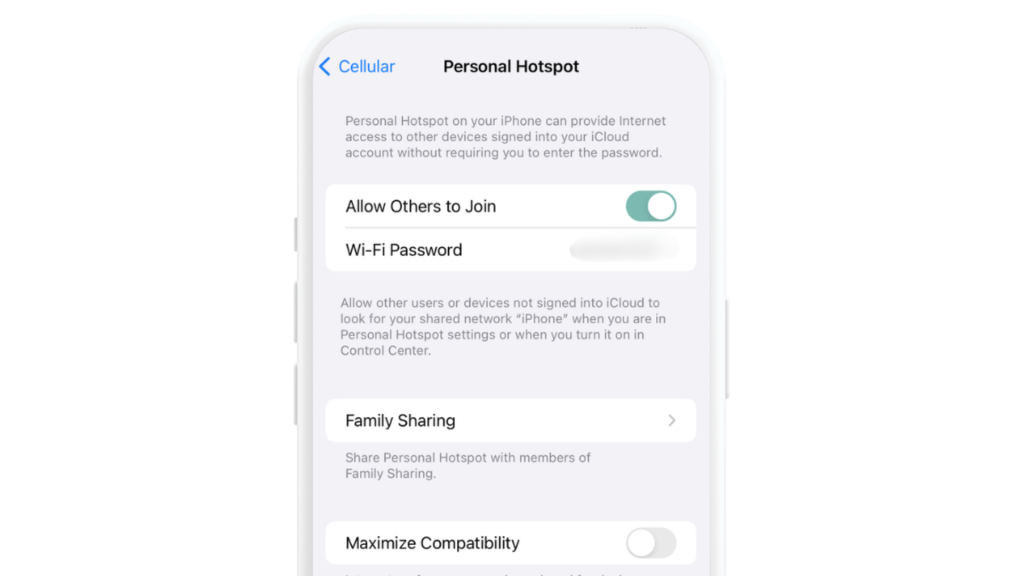
- A mobile hotspot lets your smartphone share its internet connection with other devices like laptops or tablets. This is often referred to as “tethering” and is built into nearly all modern smartphones.
There are two types of hotspots:
-
Phone-based hotspots: Turn your phone into a Wi-Fi access point using your data plan.
-
Dedicated hotspot devices: Portable routers (like MiFi) with their own SIM and data plan—less common for casual users.
Phone-based hotspots are easy to use, but depending on your plan and provider, they can be expensive or limited.
So, Does Hotspot Cost Money?
Yes. Using a hotspot consumes data from your mobile plan, and if you’re not careful, it can trigger:
-
Speed caps
-
Overage fees
-
Throttling after a limited amount of high-speed data
-
Additional charges for international roaming
Even “unlimited data” plans often include only a small bucket of high-speed hotspot data, after which speeds drop significantly, sometimes to unusable levels.
Carrier-Specific Hotspot Policies
AT&T
-
Unlimited Premium Plan: 50GB of high-speed hotspot data; after that, speeds drop to 128kbps.
-
Other plans may offer less or require a paid add-on.
T-Mobile
-
Magenta: 5GB high-speed hotspot; then reduced to 3G speeds.
-
Magenta MAX: 40GB high-speed hotspot, then slows.
Verizon
-
Unlimited Plus: 30GB of high-speed 5G hotspot; after that, speed drops to 600kbps.
-
Add-ons are available for more hotspot data—at a cost.
EE (UK)
-
Tethering is included and counts against your total plan data.
-
Fair use limits apply, especially when traveling abroad.
As you can see, the true cost of using a hotspot can vary widely, depending on your carrier and how much data you consume.
What Affects the Cost of a Hotspot?
Data Limits & Speed Throttling
Even “unlimited” plans usually have caps on high-speed hotspot data. After reaching that limit, your connection will slow to a crawl unless you pay for more.
Roaming and International Usage
Using your phone’s hotspot while traveling can incur roaming charges that are significantly more expensive than domestic usage. Many providers offer international day passes, but these add up quickly.
Usage Type
High-bandwidth activities like streaming HD video, downloading large files, or attending video calls consume much more data than browsing or messaging. The faster and heavier your usage, the more costly it becomes.
Plan Type
Prepaid plans often don’t include hotspot functionality, or they include lower data limits. Postpaid and business plans usually offer better options but at a premium.
How to Save on Hotspot Costs?
-
Track usage via your phone or carrier app.
-
Use data saver modes and stream in SD rather than HD when possible.
-
Download content offline on Wi-Fi (e.g., Netflix shows, Spotify playlists).
-
Avoid tethering while roaming unless you’re on a travel-friendly plan.
A Smarter Alternative: Use an eSIM
If you’re asking “does hotspot cost money?” because you’re tired of hidden fees and slowdowns, it’s time to explore a smarter, more flexible solution: eSIM
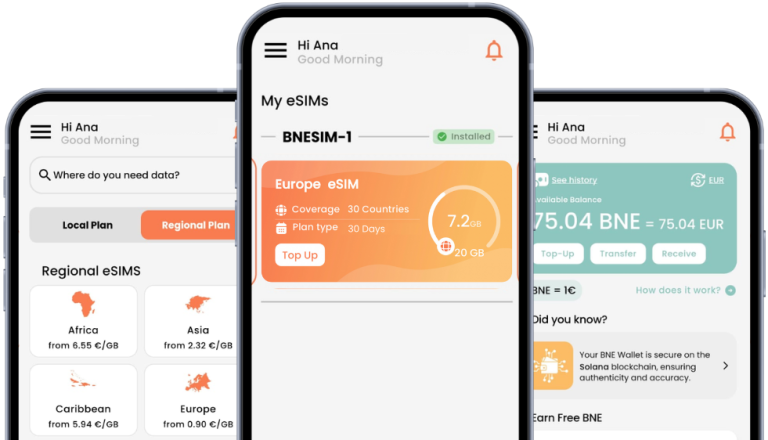
An eSIM is a digital SIM you can activate instantly, no need to swap physical cards. With an eSIM, you can:
-
Choose local or international data plans
-
Avoid roaming charges
-
Install and switch plans directly from your phone
-
Use your phone as a hotspot without affecting your main number or data plan
Whether you’re traveling, working remotely, or just need extra data on the go, eSIM gives you better control, and often better pricing than tethering with your main carrier.
💡 Read more: Understanding eSIMs: Do You Need One? Answers to Common Questions
Final Thoughts: Does Hotspot Cost Money?
Yes, and often more than expected. Mobile hotspot use can lead to surprise fees, especially when you hit data caps or roam internationally. But alternatives like BNESIM eSIM offer a smarter way to stay connected.
If you’re tired of juggling SIM cards or worrying about tethering costs, BNESIM helps you break free from your carrier’s limitations. Instant setup, global access, and full control over your connection.
Does hotspot cost money? It can. But with the right tools, it doesn’t have to.
💡 Related Reads:
What Is Data Roaming? Why Should You Care Before Traveling Abroad?

Kai Claide
A content creator with a love for the outdoors and pictures. A true beach person at heart, enjoys sunny coastlines, sipping matcha, and making the most out of every adventure. Curious and is always up for something fun.


 English
  Italiano