
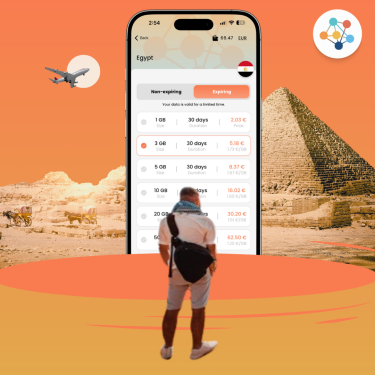
Planning your first trip to Egypt can feel overwhelming, with so much history, culture, and beauty waiting to be explored. This Egypt itinerary is designed for first-time travelers who want to see the highlights in just 7 days, balancing ancient wonders with time to recharge.
Big Starts (Days 1-2)
Day 1: Cairo & The Pyramids of Giza
Key Stops: The Great Pyramids, the Sphinx, and the Solar Boat Museum.
Why Go: No trip to Egypt is complete without standing before the iconic pyramids, the only surviving wonder of the ancient world. Seeing the sheer scale of these structures up close is a once-in-a-lifetime experience.
Reminder: Buy your ticket to the Great Pyramid separately (not included in the general entrance) and go right at opening time. By 9 AM the inside can be crowded and stuffy.
Day 2: Cairo’s Museums & Old City
Key Stops: The Egyptian Museum, the Grand Egyptian Museum (if open during your trip), Khan el-Khalili Bazaar, and the historic mosques of Islamic Cairo.
Why Go: Cairo offers more than pyramids. The museums house treasures like Tutankhamun’s golden mask, while the Old City immerses you in Egypt’s bustling culture.
Reminder: The Grand Egyptian Museum requires timed-entry tickets; book online at least a week ahead to avoid long queues at the gate.
Slow & Scenic (Days 3–4)
Day 3: Aswan & the Temples of Philae
Key Stops: Temple of Philae, Aswan High Dam, and Elephantine Island.
Why Go: Aswan is known for its relaxed vibe and stunning riverscapes. The Temple of Philae, dedicated to Isis, is among the most beautiful temples in Egypt.
Reminder: Bring small bills (10–20 EGP) for boatmen and guides at Philae. Tipping is expected and having exact change avoids hassle.
Day 4: Abu Simbel Adventure
Key Stops: The Great Temple of Ramses II and the Temple of Hathor.
Why Go: These massive rock temples, relocated during the Aswan High Dam project, are an engineering and cultural marvel. The intricate carvings showcase ancient Egyptian artistry at its peak.
Tip: Sit on the left side of the bus from Aswan; you’ll get the best sunrise views over Lake Nasser on the way to Abu Simbel.
Recharge (Day 5)
Nile Cruise via Kom Ombo & Edfu
Key Stops: Kom Ombo Temple (dedicated to Sobek and Horus) and Edfu Temple (honoring Horus).
Why Go: Cruising the Nile is the most relaxing way to see Egypt, combining luxury with history. The temples along the way are remarkably well-preserved.
Tip: Book a cruise that includes meals so you can enjoy traditional Egyptian cuisine while floating past timeless scenery.
Grand Finale (Days 6–7)
Day 6: Luxor: Karnak & Luxor Temple
Key Stops: Karnak Temple Complex and Luxor Temple.
Why Go: Karnak is the largest religious complex ever built, with towering columns and sprawling courtyards. Luxor Temple is especially beautiful when illuminated at night.
Reminder: Hire a licensed guide at Karnak’s entrance (official badges visible) for 1–2 hours. They’ll explain hidden hieroglyphs you’d otherwise miss.
Day 7: Valley of the Kings & Departure
Key Stops: Valley of the Kings, Temple of Hatshepsut, and Colossi of Memnon.
Why Go: The Valley of the Kings houses the tombs of pharaohs like Tutankhamun. Hatshepsut’s temple is an architectural masterpiece, and the Colossi provide a dramatic farewell to Luxor.
Tip: Buy the extra ticket for Seti I’s tomb if your budget allows. It’s the most impressive in the Valley and fewer tourists go inside.
Do You Need a Tour Guide in Egypt?
You don’t need a guide for safety, but hiring one can make your trip smoother:
- • They help with tickets and help you avoid scams or overcharging.
- • Guides bring temples and museums to life with stories.
- • You feel more at ease when you travel for the first time or travel alone.
One thing to always keep in mind: Always choose a licensed guide with an official badge.
FAQs
What’s the best time of year to follow this Egypt itinerary?
October to April offers cooler weather, making sightseeing more enjoyable.
How much should I budget for this itinerary?
For mid-range travelers, expect $80–120 per day including hotels, meals, entrance fees, and local transport.
What should I wear in Egypt?
Light, breathable clothing is best. Cover shoulders and knees in religious sites. A scarf is handy for women when entering mosques. Comfortable walking shoes are essential.
Can I use an eSIM in Egypt?
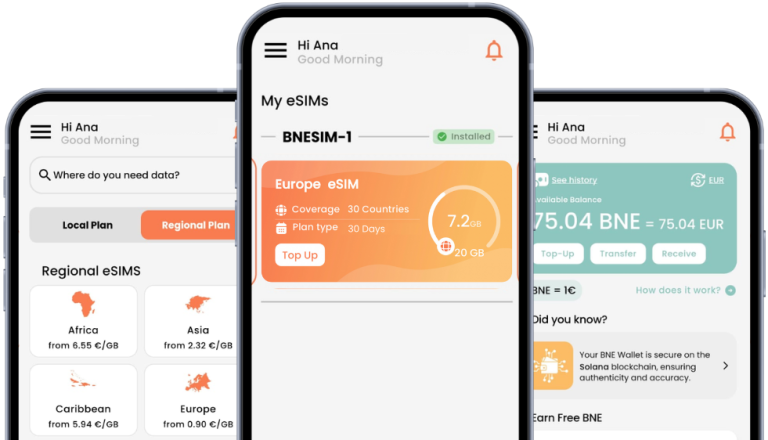
Yes. International eSIMs like BNESIM work across Egypt and save you time buying local SIM cards.
Stay Connected with BNESIM's New Lower Rates for Egypt
Staying connected while traveling is crucial for navigation, booking tours, and sharing your adventures. That’s why using an eSIM is ideal. It saves you from expensive roaming fees or the hassle of buying a local SIM card.
BNESIM now offers lower rates for Egypt with its worldwide eSIM plans, making it more affordable to stay online as you explore the pyramids, cruise the Nile, or wander Luxor’s temples.
BNESIM's New Rates for Egypt
| Data Plan | New Price | Old Price | You Save |
|---|---|---|---|
| 3 GB | €5.18 | €8.97 | €3.79 |
| 5 GB | €8.37 | €15.04 | €6.67 |
| 10 GB | €16.02 | €28.75 | €12.73 |
| 20 GB | €30.20 | €56.26 | €26.06 |
Travelers often pick 5 GB for a 7-day Egypt trip, enough for maps, rides, and sharing photos if they also use hotel Wi-Fi.
Conclusion
This Egypt itinerary offers the perfect balance of adventure, history, and relaxation for first-time travelers. From the iconic pyramids of Giza to the mysteries of Luxor, you’ll see the highlights of one of the world’s oldest civilizations in just a week. With BNESIM’s new lower rates for Egypt data, you can stay connected effortlessly and affordably

Kai Claide
A content creator with a love for the outdoors and pictures. A true beach person at heart, enjoys sunny coastlines, sipping matcha, and making the most out of every adventure. Curious and is always up for something fun.




 English
  Italiano