
Airplane WiFi has become a must-have for business travelers, remote workers, and frequent flyers. From checking emails to attending virtual meetings, staying connected in the air helps you remain productive. But how does airplane Wi-Fi work, what does it cost, and are there ways to save? This guide answers all your questions.
How Airplane WiFi Works?
Airplane Wi-Fi is delivered through two main technologies:
- • Air-to-Ground (ATG): Uses cell towers on the ground to beam signals to the aircraft.
- • Satellite-based Wi-Fi: Connects the plane to orbiting satellites, allowing internet access even over oceans
In both cases, devices connect via the plane’s onboard Wi-Fi network, often through a browser login or app.
Average Costs of In-Flight WiFi
Airplane WiFi pricing varies by airline, class of service, and flight route.
Economy vs. Business/First Class Pricing
- • Economy passengers: Usually pay $5–$15 for a single short-haul flight or a basic hourly plan.
• Business and first-class passengers: May have $15–$30 plans or even complimentary access, depending on the airline.
Pay-Per-Use vs. Subscription Plans
- • Pay-per-use: Most common for short flights. Prices range from $5 for 30 minutes to $20 for full-flight access.
- • Subscription or monthly passes: Frequent flyers can pay $50–$70/month for unlimited WiFi on specific airlines or alliances.
Examples from Popular Airlines:
Delta Air Lines
Free for SkyMiles members; $5 messaging-only, $10–$40 unlimited depending on route.
American Airlines
Wi-Fi from $10 per flight; subscription plans start at $49.95/month or $599/year
Emirates
Unlimited chat $2.99–$5.99; full Wi-Fi $9.99–$19.99 per flight. Free Wi-Fi for Skywards members in First/Business, and for Platinum members in all classes.
United Airlines
$8 for domestic/short-haul international flights for MileagePlus® members ($10 for others); prices vary for longer flights. Subscription plans starting at $49.95/month
Factors That Affect Wi-Fi Prices
Flight Duration
Longer flights often cost more for full-access plans, while short domestic flights may only offer messaging packages. Airlines may charge by hour or by the full flight.
Airline & Aircraft Type
Premium carriers and newer aircraft often offer faster internet at higher prices. Budget airlines may provide slower Wi-Fi at lower costs or limit usage to messaging.
Route (Domestic vs. International)
International flights generally charge more than domestic routes due to satellite connectivity costs. Domestic flights are usually cheaper since ATG networks are more affordable than satellite-based services required for international flights.
Data Speed & Packages Offered
Wi-Fi speed, coverage, and restrictions affect pricing. Some airlines offer messaging-only plans (cheaper) or full internet with streaming (more expensive).
Tips to Save on Airplane Wi-Fi
• Buy in advance on the airline’s website for discounts.
• Join airline loyalty programs that offer free or reduced Wi-Fi.
• Use messaging-only plans if you just need WhatsApp, iMessage, or Messenger.
• Consider subscriptions if you’re a frequent flyer.
Are There Any Alternatives to Airplane Wi-Fi?
Unfortunately, there are no alternatives that reliably work while flying. Mobile hotspots, local SIM cards, or eSIMs cannot connect at cruising altitude. Your best option for staying connected in the air is the airline’s in-flight Wi-Fi.
But if you don’t need real-time connectivity, consider:
- • Download movies, music, and documents before boarding.
- • Use offline maps and reading apps.
Safety & Security on Airplane Wi-Fi
Since in-flight Wi-Fi often uses shared networks, always:
• Avoid online banking.
• Use a VPN for sensitive data.
• Stick to secured websites (HTTPS).
Stay Connected After Landing
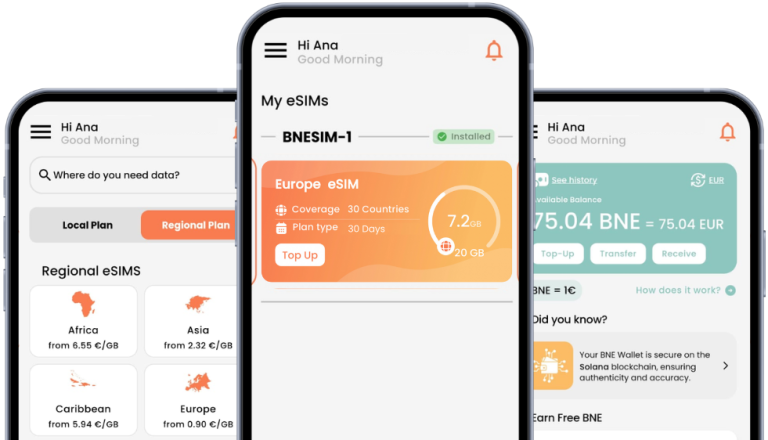
Airplane Wi-Fi can be pricey and limited, but you don’t have to worry once you’re on the ground. BNESIM offers flexible mobile data plans in over 200 countries, allowing instant digital activation, hotspot sharing, and top-ups directly from an app. It’s a reliable solution to continue working or communicating after your flight.
FAQs
How fast is airplane Wi-Fi?
Speeds vary widely from 1 Mbps to 20 Mbps depending on airline, aircraft, and route.
Do all flights offer Wi-Fi?
No, but many major airlines provide it on most long-haul and domestic routes.
Is in-flight Wi-Fi secure?
It’s public Wi-Fi, so caution is advised. Use a VPN when possible.
Can I stream video with airplane Wi-Fi?
Some airlines allow it with premium plans, but bandwidth may be limited.
Can I get airplane Wi-Fi for free?
Some airlines provide free messaging apps or loyalty perks, but most full internet access is paid.
Conclusion
Airplane Wi-Fi is no longer a luxury. It’s becoming an expected service. Costs vary depending on airline, route, and speed, but with the right planning, you can stay connected without overspending.
 Pairing in-flight Wi-Fi with tools like BNESIM eSIM ensures that you remain seamlessly connected both in the air and after landing.
💡 Related Reads:

Kai Claide
A content creator with a love for the outdoors and pictures. A true beach person at heart, enjoys sunny coastlines, sipping matcha, and making the most out of every adventure. Curious and is always up for something fun.



 English
  Italiano