
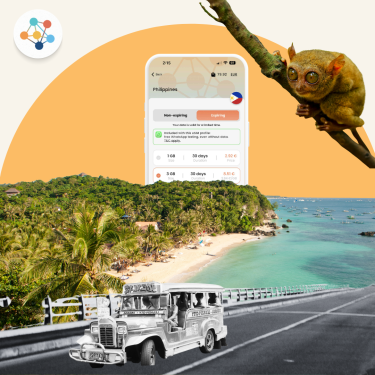
If you’re dreaming of turquoise waters, white sandy beaches, and adventure around every corner, island hopping in the Philippines should be on your bucket list. With over 7,000 islands to explore, each with its own charm, the Philippines is a haven for travelers seeking both serenity and excitement.
In this guide, we’ll highlight the top island-hopping routes, how to get around, and how staying connected with a Philippines eSIM can seriously level up your trip.
Why the Philippines Is Perfect for Island Hopping?
From hidden lagoons and underwater caves to vibrant coral reefs and world-renowned beaches, the Philippines is home to some of the most unique natural wonders in Southeast Asia. But it’s not just the scenery. It’s the Filipino hospitality, colorful festivals, diverse cuisine, and laid-back island culture that make this country truly unforgettable.
Must-Visit Spots
1. Palawan (El Nido & Coron)
Palawan is often voted the most beautiful island in the world. El Nido is famous for its limestone cliffs, crystal-clear lagoons, and secret beaches. Coron, on the other hand, is ideal for diving enthusiasts thanks to its WWII shipwrecks and stunning coral gardens.
Don’t Miss: Big Lagoon, Kayangan Lake, and Twin Lagoon.
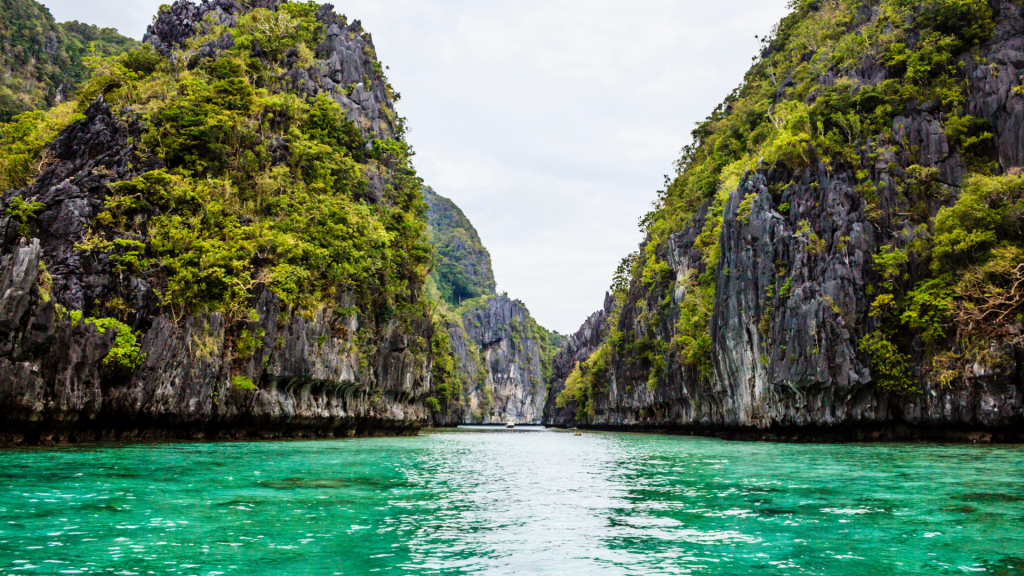
💡 Fun Fact: Palawan has been featured in several Hollywood films and was once named “The Last Ecological Frontier” of the Philippines due to its untouched natural beauty.
2. Cebu and Nearby Islands
Cebu offers a great balance of city life, beaches, and history. From here, you can easily hop to Malapascua, known for its thresher sharks, or Bantayan Island, which is ideal for a quiet retreat.
Don’t Miss: Kawasan Falls, snorkeling in Moalboal, and visiting Oslob’s whale sharks.

💡 Fun Fact: Cebu is where Portuguese explorer Ferdinand Magellan first introduced Christianity to the Philippines in 1521—making it the birthplace of the country’s Catholic faith.
3. Bohol and Panglao
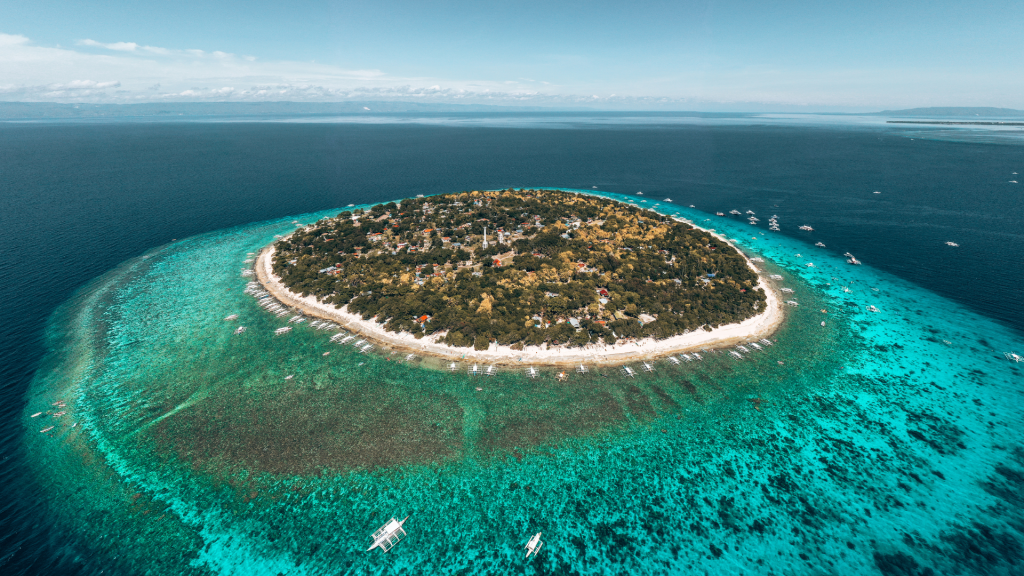
Bohol is best known for the Chocolate Hills and the tiny Tarsiers. Panglao, connected by bridge, offers some of the best diving and beach resorts.
Don’t Miss: Alona Beach, Hinagdanan Cave, and island hopping to Balicasag and Virgin Island.
4. Siargao
A surfer’s paradise and a fast-growing travel hotspot, Siargao offers more than just waves. You can explore neighboring islands like Daku, Guyam, and Naked Island by boat.
Don’t Miss: Sugba Lagoon, Magpupungko Rock Pools, and Cloud 9 surfing area.
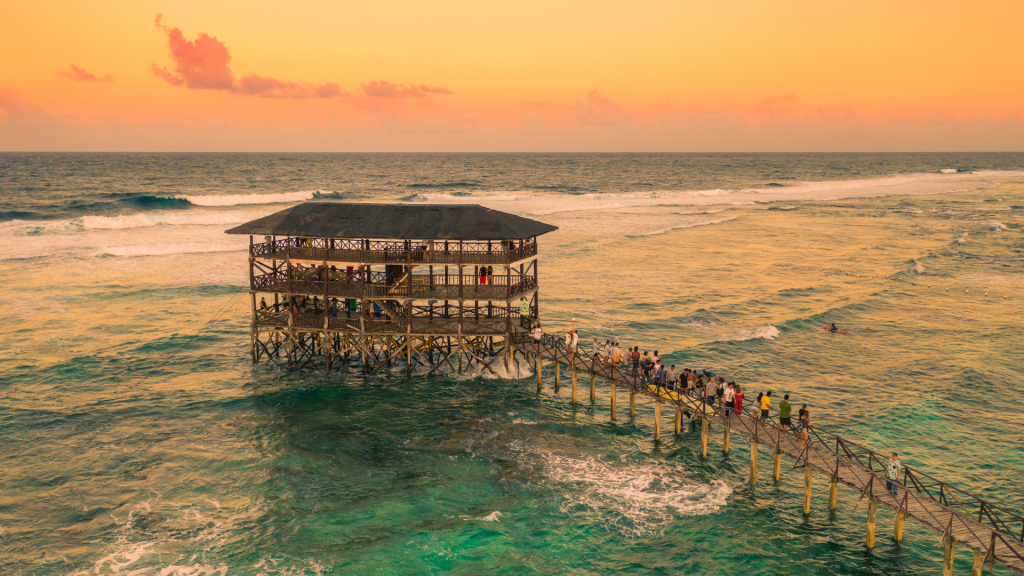
💡Fun Fact: Siargao is known as the Surfing Capital of the Philippines and gained global fame after hosting international surfing competitions at its Cloud 9 surf break.
5. Camiguin
Dubbed the “Island Born of Fire,” Camiguin has more volcanoes than towns! It’s quiet, lush, and rich in natural wonders.
Don’t Miss: White Island, Sunken Cemetery, and the hot & cold springs.

How to Get Around the Philippines Islands?
By Air
Domestic flights are the fastest way to travel between major islands.
-
• Cebu Pacific, AirAsia, PAL: These carriers connect top destinations like Siargao, Coron, Bohol, and Cebu.
-
• Flights are affordable, frequent, and usually under 1.5 hours.
By Sea
For shorter hops or scenic routes, ferries and boats are popular.
-
• OceanJet, 2GO Travel, Montenegro Lines: Great for Cebu–Bohol, El Nido–Coron, etc.
-
• Bangka boats: Used for day tours or island hopping in places like El Nido or Siargao.
Local Transport
Once you’re on an island, try these:
-
• Tricycles – Ideal for short town rides.
-
• Habal-Habal – Motorbike taxis for narrow or uphill roads.
-
• Jeepneys – Cheap and iconic.
-
• Rentals – Scooters and cars are easy to find in tourist spots.
Tip: Agree on fares before getting in. Most local rides don’t use meters.
Stay Connected While Island Hopping
While many islands offer Wi-Fi, it can be spotty or slow in remote areas. A dependable mobile connection is essential for maps, bookings, translation, and staying in touch with family.
Why Use an eSIM for the Philippines?
A traditional SIM requires you to buy a local card, go through registration, and risk losing your primary number. With an eSIM, you can:
-
• Instantly connect upon arrival
-
• Avoid physical SIM swaps
-
• Keep your original number active
-
• Refill data anytime without visiting a store
- • Enjoy flexible plans tailored to your trip length
BNESIM: Easy, Reliable eSIM for Island-Hoppers
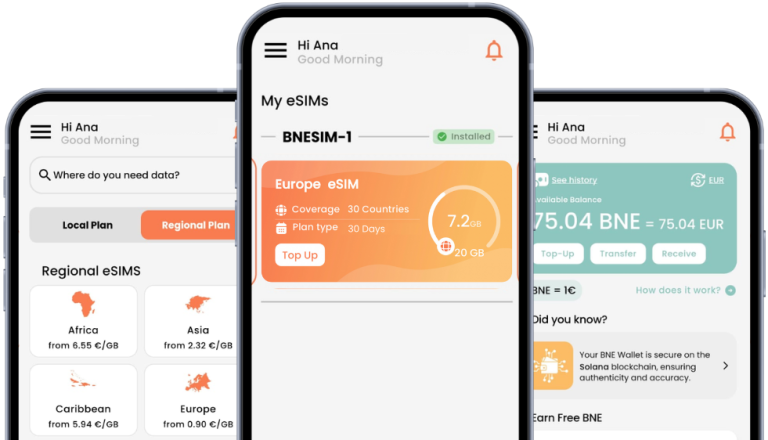
BNESIM offers high-speed Philippines eSIM plans that work seamlessly across the islands. With everything managed through the BNESIM app, you can:
-
• Activate your eSIM before you travel
-
• Refill data with just a tap
-
• Get support from a globally trusted, award-winning provider
-
• Enjoy 5G speed where available
-
• Share your data via hotspot when traveling with others
💡Get free WhatsApp texting all Philippines eSIM plans plus coverage in 190+ countries with BNESIM’s G1 eSIM.
Smart Travel Data Tips
-
• Download offline maps ahead of time
-
• Use messaging apps like WhatsApp, Viber, or Messenger (widely used locally)
-
• Use eSIMs that let you top up anytime. BNESIM does this easily via app
-
• Set data alerts or caps if you’re on a budget.
FAQs
What is the best time to go island hopping in the Philippines?
The best time to explore the islands is during the dry season, from November to May. Expect sunny skies, calm seas, and ideal weather for snorkeling, boating, and beach-hopping. The months of December to April are peak season, so book tours and accommodations early.
What should I pack for island hopping?
Essentials include a waterproof bag, reef-safe sunscreen, swimwear, a light towel, and a refillable water bottle. Don’t forget snorkel gear (if not provided by your tour), a waterproof phone pouch, and some cash, especially for remote islands that don’t accept cards.
How do I get mobile data on the islands?
You can either buy a local SIM card (Globe or Smart) upon arrival, or go with an eSIM for the Philippines, like BNESIM, which allows you to get connected instantly without swapping physical SIM cards.
Can I use credit cards on the islands?
In most touristy areas, credit cards are accepted, especially in hotels and restaurants. However, when venturing to more remote islands or small vendors, always carry Philippine pesos in cash. ATMs may be limited in some areas.
Can I connect multiple devices with an eSIM?
Yes! If your phone supports hotspot sharing, you can tether your eSIM data to other devices like a laptop or a friend’s phone. eSIMs from providers like BNESIM make it easy to stay connected across all your gadgets, whether you’re working remotely or sharing photos on the go.
Make the Most of Island Hopping in the Philippines
Island hopping in the Philippines is not just a trip. It’s a life-changing experience. Whether you’re snorkeling in Palawan, surfing in Siargao, or relaxing on the powdery sands of Bohol, each destination offers something unique.
To make your journey smoother, remember these two things: plan your transport ahead and secure a reliable mobile data connection with an eSIM. The freedom to explore with peace of mind makes all the difference.
👉 Ready to hop from paradise to paradise? Get your eSIM now! The Philippines is waiting.

Kai Claide
A content creator with a love for the outdoors and pictures. A true beach person at heart, enjoys sunny coastlines, sipping matcha, and making the most out of every adventure. Curious and is always up for something fun.


 English
  Italiano